CRITICAL THEORY // FIELD NOTES 02
WHO CLEANS UP AFTER THE PLOT?
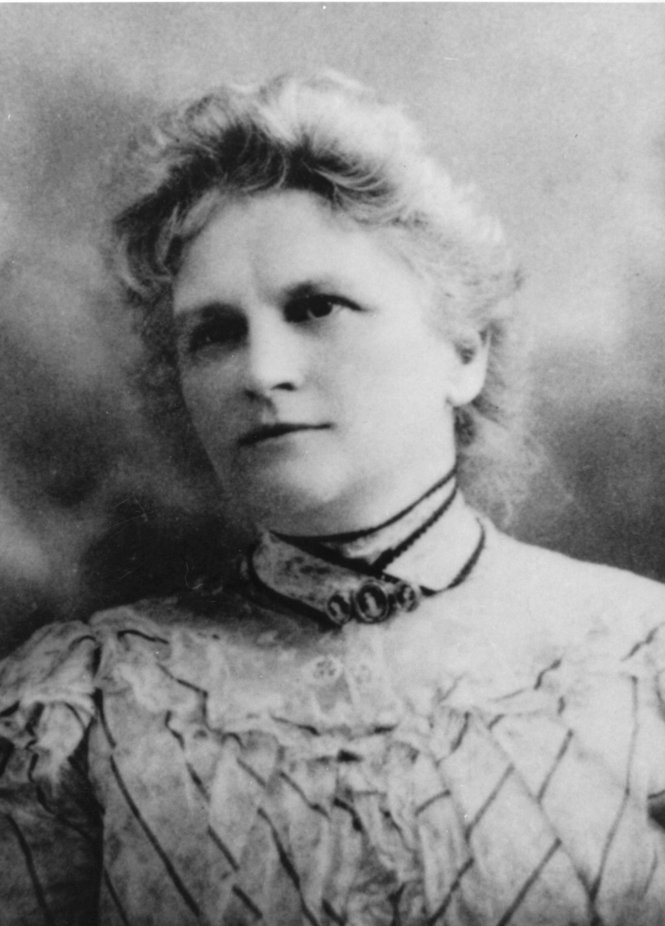
Kate Chopin, public-domain portrait; colour treatment by author.
Feminist criticism is a crowbar for rooms literature trained us not to enter. It asks whose desire counts, whose labour disappears, and who cleans up after the plot. Its power isn’t “finding strong women.” It catches patriarchy hiding in pronouns, inheritance law, bedrooms, medical charts, and tidy endings.
Shulamith Firestone pushed harder: sexual hierarchy reproduces itself through family and biological reproduction. That brutal insight makes marriage, motherhood, and erotic freedom material institutions, not decorative themes. “The Yellow Wallpaper,” The Awakening, and “The Storm” arrive with loose floorboards.
Still, a crowbar isn’t a skeleton key. Used mechanically, feminist criticism can flatten race, class, disability, religion, queer desire, and history into one eternal fistfight between Men and Women. It can mistake private transgression for collective liberation. Calixta gets an afternoon; she doesn’t get a new social order. Mystical poetry and absurdist fiction kick back because gender doesn’t exhaust their mysteries.
Good.
Resistance is evidence. My test is blunt: does the reading expose power without sanding away human weirdness? If so, keep digging.
What does your reading pry open, and what does it flatten?